
How to Choose the Best Assisted Living in Hallandale Beach for Your Loved One
Choosing assisted living is not a transaction it is a transition. We are not just selecting a building; we are choosing a new chapter in someone’s life. In Hallandale Beach assisted living communities, families face dozens of decisions at once: care quality, safety, costs, legal protections, and emotional readiness. We guide this process with clarity, compassion, and precision so families can move forward with confidence instead of doubt.
This guide is written for families searching for assisted living facilities near me who want facts, structure, and reassurance without confusion or pressure. Think of this journey like building a bridge: every decision is a beam that must be strong enough to support long-term wellbeing.

Contact US
1. Understanding Assisted Living in Hallandale Beach
Hallandale Beach assisted living communities are designed for seniors who value independence but require daily support. These communities bridge the gap between independent living and skilled nursing facilities explained in clinical terms. We see assisted living as a personalized support system residents receive help with personal care services, medication reminders, housekeeping in senior living communities, and access to visiting healthcare professionals in elder care.
Senior health care services in Hallandale Beach often include telehealth services for seniors, emergency medical services for seniors, and coordinated elderly health care plans. Staff availability is typically 24-hour staff availability in senior communities, ensuring safety without intrusion. Assisted living vs in-home care becomes clearer here: assisted living offers structured safety and social engagement activities in assisted living, while home care can feel isolating.
2. Differences Between Assisted Living and Nursing Homes
Understanding the differences between assisted living and nursing homes is critical. Assisted living focuses on daily living assistance, while nursing homes provide intensive medical supervision. Assisted living vs skilled nursing facilities comes down to medical complexity. Seniors who do not require constant medical monitoring often thrive better in assisted living environments.
Nursing homes may limit independence, whereas assisted living encourages autonomy through recreational activities for seniors, technology resources for seniors, and flexible routines. Assisted living vs hospice care is another key distinction hospice is end-of-life focused, while assisted living supports long-term living.
3. Independent Living vs Assisted Living
Independent living vs assisted living is a common comparison. Independent living is ideal for active seniors who need minimal support, while assisted living provides structured help with activities of daily living. Assisted living amenities often include transportation services for elderly residents, dining options in assisted living, and maintenance services in elder care facilities.
When evaluating assisted living vs senior apartments, assisted living offers integrated care agreements for assisted living and safety features in assisted living that apartments simply do not provide.
4. Types of Assisted Living Facilities
There are several types of assisted living facilities, including adult family homes benefits, nonprofit assisted living homes, short-term assisted living solutions, and cultural or religious assisted living facilities. Urban vs rural assisted living options also affect lifestyle, access to healthcare, and cost comparison of assisted living facilities.
Each model serves different needs, making assisted living facility evaluation checklists essential for comparison.
5. Luxury Assisted Living Facilities Explained
Luxury assisted living facilities redefine senior living with concierge-style services, pet-friendly assisted living options, and spa-like environments. These communities often provide personalized dining options, spiritual and religious services for elders, and premium technology resources for seniors.
Luxury does not replace care it enhances dignity. Like a well-tailored suit, luxury assisted living fits the individual rather than forcing adjustment.
6. Affordable Assisted Living Options
Affordable assisted living options focus on essential care without unnecessary extras. Families often balance quality rating for senior living communities against cost. Affordable does not mean inferior; many facilities offer excellent resident satisfaction in assisted living homes through efficient care models.
7. Memory Care Communities and Dementia Support
Memory care communities provide secure environments for seniors with cognitive decline. Memory care services offered include structured routines, specialized staff, and safety-first layouts. Assisted living vs memory care depends on cognitive health assessments and assisted living health assessments.
8. Specialized Assisted Living for Dementia
Specialized assisted living for dementia goes beyond general memory care communities by tailoring every aspect of daily life to cognitive safety and emotional stability. We evaluate how these communities design predictable routines, calming environments, and staff training that supports residents through every stage of memory loss. Unlike standard assisted living facilities, dementia-focused care reduces confusion through consistent layouts, color-coded navigation, and low-stimulation spaces.
Families often compare assisted living vs memory care at this stage. The difference lies in depth. Dementia care emphasizes continuous supervision, behavior-aware communication, and secure outdoor areas. We also look for mental health support for elderly residents, including access to counseling, therapeutic activities, and family education. Choosing the right level of care here is like selecting the correct lens for a camera clarity depends on precision.
9. Continuing Care Retirement Communities (CCRC)
Continuing care retirement communities (CCRC) offer a long-term solution that adapts as needs evolve. These communities integrate independent living, assisted living, memory care services offered, and skilled nursing facilities explained within one campus. We assess CCRCs by reviewing care agreements for assisted living, transition policies, and financial models.
CCRCs appeal to families seeking stability and continuity. Instead of relocating multiple times, seniors age in place. When comparing assisted living vs continuing care retirement community options, we focus on contract transparency, long-term affordability, and quality rating for senior living communities. This model works best for families planning proactively rather than reactively.
10. Assisted Living Facilities for Veterans
Assisted living facilities for veterans often provide specialized financial assistance, access to veteran benefits, and culturally aligned support services. We guide families through available programs, including Medicaid eligibility for assisted living and insurance coverage for assisted living Hallandale Beach.
Veterans may also benefit from assisted living facilities with rehabilitation services and physical therapy services in assisted living. The goal is dignity with structure honoring service while delivering practical care. When evaluating options, we prioritize compliance with state regulations for assisted living and clear discharge planning in assisted living.

10. Assisted Living Facilities for Veterans
11. Senior Health Care Services Overview
Senior health care services form the backbone of quality assisted living. We look for integrated elderly health care plans that address chronic conditions, preventative health care for elderly residents, and emergency medical services for seniors. Telehealth services for seniors have become essential, offering quick access to physicians without disrupting routines.
Strong communities coordinate visiting healthcare professionals in elder care, including nurses, therapists, and specialists. This coordination reduces hospital visits and improves long-term outcomes. Health care advocacy for seniors ensures residents receive timely, appropriate treatment.
12. Medication Management for Seniors
Medication management for seniors is one of the most critical safety features in assisted living. Errors in medication can have serious consequences, so we evaluate systems for accuracy, documentation, and oversight. Effective medication management includes secure storage, scheduled administration, and regular reviews with healthcare providers.
We also consider legal aspects of elder care, including liability waivers and legal documents needed for assisted living. Transparency in these processes protects residents and families alike.
13. Physical Therapy for Seniors
Physical therapy for seniors supports mobility, balance, and independence. Assisted living facilities with rehabilitation services often provide on-site therapy, reducing the need for external appointments. We assess therapy frequency, customization, and progress tracking.
These services are especially valuable after hospitalization or injury, making short-term assisted living solutions a practical bridge to recovery. Physical therapy services in assisted living help seniors regain confidence and reduce fall risks.
14. Mental Health Support for the Elderly
Mental health support for elderly residents is as important as physical care. We evaluate access to counseling, group therapy, and emotional wellness programs. Assisted living communities that prioritize mental health reduce isolation and depression through social engagement activities in assisted living.
This support becomes vital during transitions. Moving a parent to assisted living can trigger anxiety or grief. Communities that recognize these emotional challenges of moving to assisted living foster resilience and adjustment.
15. Fitness Programs for Seniors
Fitness programs for seniors promote strength, flexibility, and cardiovascular health. We look for programs adapted to varying abilities, from chair yoga to supervised strength training. Regular activity supports managing chronic illnesses in seniors and enhances overall quality of life.
Fitness is not about intensity; it is about consistency. Like oil in an engine, movement keeps everything running smoothly.
16. Recreational and Social Engagement Activities
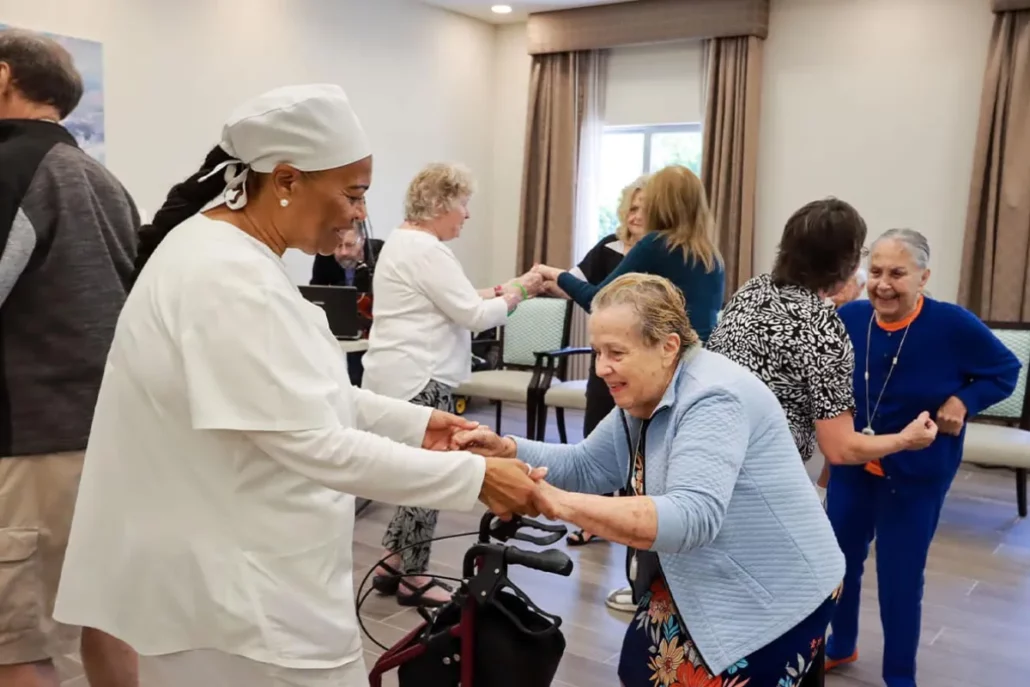
Recreational activities for seniors encourage connection and purpose. We assess calendars for variety arts, music, educational sessions, and community outings. Social engagement activities in assisted living reduce loneliness and improve cognitive health.
The best communities treat engagement as essential, not optional. Resident satisfaction in assisted living homes often correlates directly with activity quality.
17. Dining Options in Assisted Living
Dining options in assisted living shape daily satisfaction. We review menu flexibility, nutritional needs for elderly care, and accommodations for dietary restrictions. Communal dining also strengthens social bonds.
Quality dining reflects respect. It turns meals into moments rather than routines.
18. Transportation Services for Elderly Residents
Transportation services for elderly residents support independence. We assess scheduled outings, medical appointment transport, and accessibility features. Assisted living facilities with transportation services reduce reliance on family while maintaining freedom.
19. Safety Features and Emergency Response Systems
Safety features in assisted living include emergency response systems in assisted living, secure access points, and fall-prevention design. We verify response times, staff training, and compliance with assisted living facility regulations.
Safety is the quiet assurance families rely on every day.
20. Assisted Living Amenities Checklist
An assisted living amenities checklist helps compare communities objectively. Key amenities include housekeeping in senior living communities, maintenance services in elder care facilities, pet-friendly assisted living options, and technology resources for seniors.
Amenities should support living, not distract from care.
21. What to Look for in Assisted Living
What to look for in assisted living comes down to alignment care level, culture, and cost. We recommend using an assisted living facility evaluation checklist and checklist for visiting assisted living facilities to stay objective.
22. Questions to Ask Assisted Living Staff
Questions to ask assisted living staff should cover staff availability, training, care agreements, and complaint process for assisted living facilities. Clear answers indicate operational maturity.
23. Assisted Living Facility Regulations
Assisted living facility regulations and state regulations for assisted living protect residents. We confirm licensing, inspection history, and assisted living facility inspection checklist compliance.
24. Legal Rights of Assisted Living Residents
Legal rights of assisted living residents include fair housing and elder care protections, understanding elder abuse laws, and access to senior care legal advice. Power of attorney for elderly care and the role of a healthcare proxy are essential considerations.
25. Cost of Assisted Living in Hallandale Beach
Average cost of assisted living Hallandale Beach varies by care level and amenities. We encourage families to request detailed breakdowns for accurate cost comparison of assisted living facilities.
26. Financial Assistance and Insurance Coverage
Financial assistance for assisted living Hallandale Beach may include insurance coverage, veteran benefits, and nonprofit resources. Financial planning for assisted living transition prevents surprises.
27. Medicaid Eligibility for Assisted Living
Medicaid eligibility for assisted living depends on income, assets, and care needs. We recommend early planning and professional guidance.
28. Moving a Parent to Assisted Living
Moving a parent to assisted living requires preparation. We advise involving family in assisted living decisions and preparing your loved one for assisted living through open dialogue.
29. Emotional Challenges of Transitioning
Emotional challenges of transitioning include guilt, fear, and resistance. Resources for families during assisted living transition help normalize these feelings.
30. Choosing the Right Assisted Living Community
Choosing the right assisted living community means balancing care, cost, and connection. Ratings of senior living homes in Hallandale and assisted living facility ratings in South Florida provide helpful benchmarks, but firsthand visits matter most.

Conclusion
Choosing assisted living is a journey shaped by care, trust, and foresight. When families evaluate services, legal protections, and emotional readiness together, the result is not just placement but peace of mind.
FAQs
1. How do we know when it’s time for assisted living?
Signs it’s time for assisted living include safety concerns, medication errors, and social isolation.
2. What is the difference between assisted living and nursing homes?
Assisted living supports daily activities, while nursing homes provide intensive medical care.
3. How much does assisted living cost in Hallandale Beach?
Costs vary by care level, amenities, and community type.
4. Does assisted living accept Medicaid?
Some communities accept Medicaid, depending on eligibility and availability.
5. How can families prepare emotionally for the transition?
Open communication, gradual involvement, and professional guidance ease the transition.