Senior Living Near Miami FL: Assisted, Independent & Memory Care Options
Finding the right senior living solution near Miami feels a lot like choosing the right harbor before a long journey. We look for safety, comfort, trusted guidance, and a place where daily life still feels meaningful. In South Florida, senior living has evolved into a lifestyle focused on wellness, connection, and dignity—not simply care.
We explore senior living near Miami FL through a practical, human lens. From independent living communities near me to assisted living facilities Miami families trust, and memory care options in Miami designed for cognitive support, we break down housing types, services, wellness programs, and financial considerations in one place.

1. Understanding Senior Living Near Miami FL
Senior living near Miami FL reflects the region itself—diverse, active, and wellness-driven. Communities now combine housing with senior health services, fitness programs for older adults, social engagement programs for seniors, and onsite medical care options for seniors.
We see communities offering home maintenance services, dining meal plans for seniors, recreational facilities in assisted living, and outdoor spaces in senior housing. The goal is simple: remove daily burdens while enhancing quality of life in retirement communities.
This shift means seniors remain independent longer, supported by wellness programs for elderly residents, mental health resources for seniors, and preventive healthcare for elderly adults—all within a community setting.
2. Senior Housing Types Explained
Senior housing types vary based on care needs, lifestyle preferences, and health management for seniors. Understanding these differences helps families make confident decisions.
Independent living focuses on autonomy and social connection. Assisted living adds personal care and rehabilitation services for seniors. Memory care services and amenities provide structured environments for cognitive decline. Skilled nursing supports chronic disease management for elderly residents requiring medical supervision.
Think of senior housing like a ladder—each step offers a different level of support while preserving dignity and choice.
3. Independent Living Communities Near Me
Independent living communities near me are designed for active older adults who want freedom without responsibility. These communities emphasize social clubs for elderly residents, senior fitness classes near me, and community engagement activities for seniors.
Residents enjoy private apartments, group outings for elderly residents, book clubs for retirees, gardening clubs for senior residents, and arts and crafts workshops for seniors. The environment promotes social networking for older adults and mental wellness programs for elderly individuals.
Costs typically reflect lifestyle services rather than healthcare, making independent living attractive for those planning ahead.
4. Assisted Living Facilities Miami Families Choose
Assisted living facilities Miami residents rely on provide daily support while maintaining independence. Services include medication management, mobility assistance, personal care, and onsite medical services in senior living.
Communities integrate senior exercise classes, nutrition for seniors programs, pet therapy programs for seniors, and social activities for seniors in retirement homes. Safety measures in assisted living such as access control systems for senior communities and staff training for senior facility security ensure peace of mind.
This balance of care and freedom makes assisted living a preferred option for many families.
5. Memory Care Options in Miami
Memory care options in Miami are purpose-built for individuals living with Alzheimer’s or dementia. These communities emphasize memory care activities, structured routines, and secure environments.
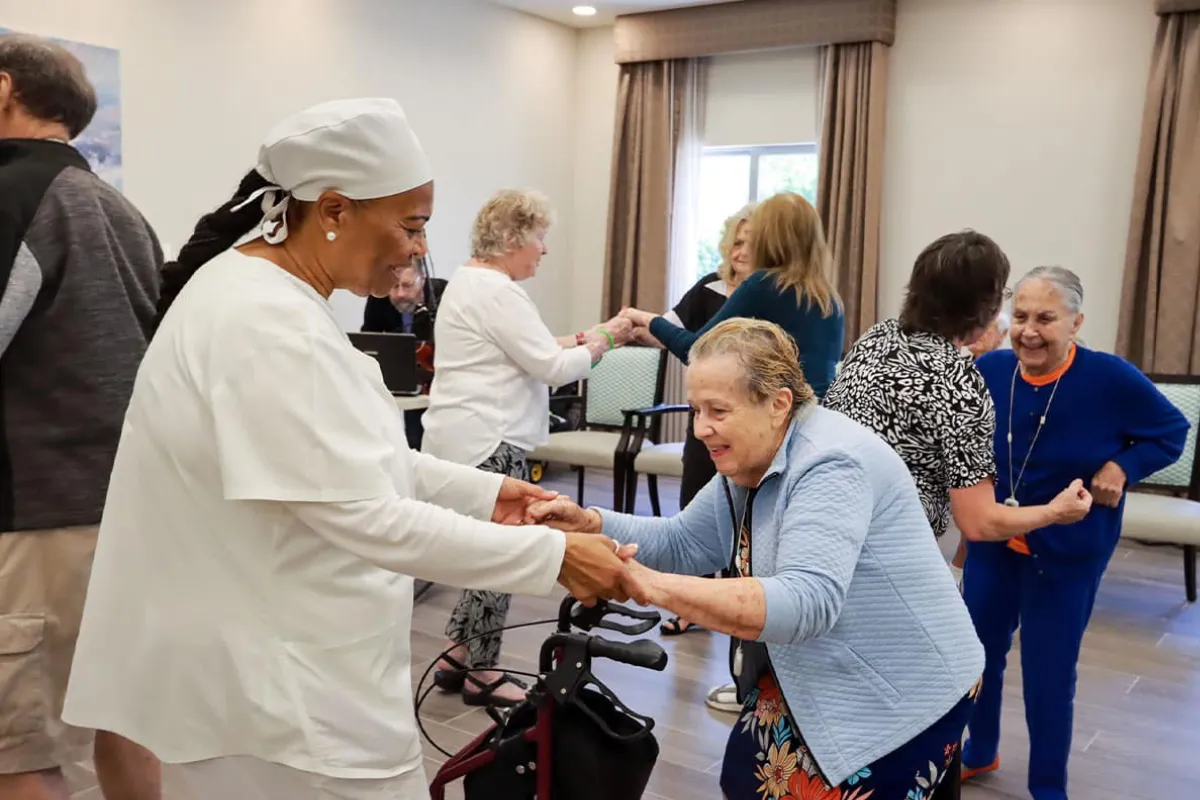
Residents benefit from sensory therapies, music and dance events for elderly individuals, geriatric wellness activities, and personalized engagement plans. Memory care services and amenities also include caregiver-trained staff and secure outdoor spaces.
Choosing the right memory care facility focuses on safety, emotional well-being, and consistent support.
6. Independent Living vs Assisted Living
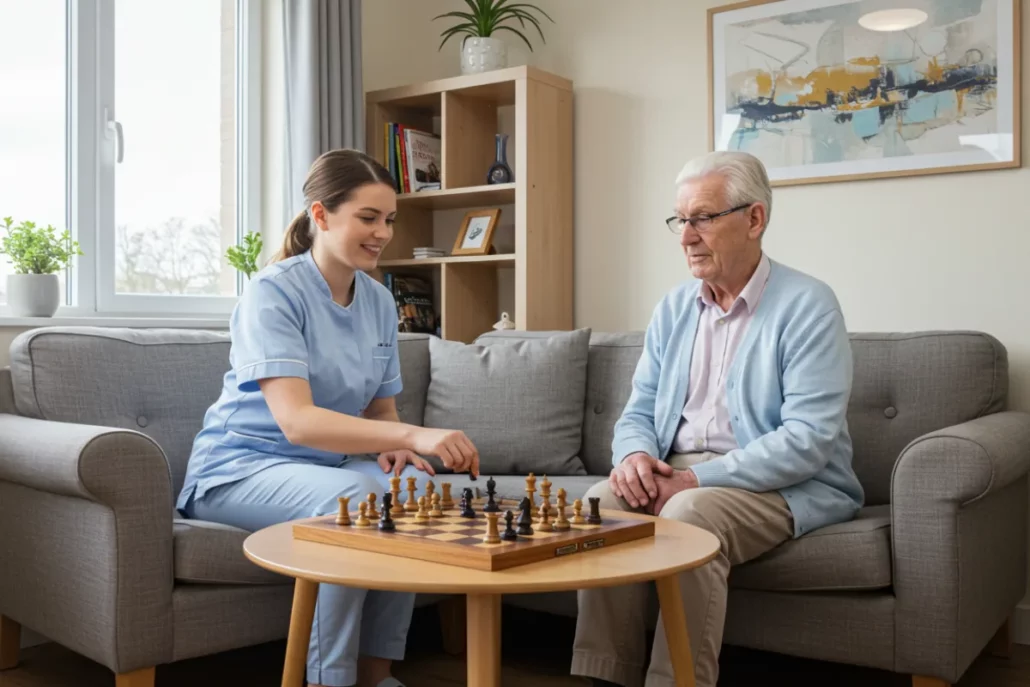
Independent living vs assisted living comes down to support needs. Independent living prioritizes lifestyle. Assisted living integrates daily care with community life.
Families often reassess needs together seniors and families as health changes occur. Understanding this distinction helps with long-term planning and financial planning for retirement living Miami residents depend on.
7. Skilled Nursing vs Assisted Living
Skilled nursing vs assisted living represents a clear difference in medical intensity and daily structure. Skilled nursing communities are designed for seniors who require continuous medical supervision, rehabilitation services for seniors, and chronic disease management for elderly residents. Licensed nurses are available around the clock, and care plans are closely monitored.
Assisted living, by contrast, focuses on personal support rather than intensive medical care. Residents receive help with daily activities while continuing to enjoy social clubs for elderly residents, senior fitness classes near me, and recreational activities for retirees. The environment feels residential rather than clinical, which many seniors find emotionally grounding.
Choosing between these options depends on health stability, recovery needs, and long-term care options for seniors. We always recommend evaluating current needs while planning for future transitions.
8. Differences Between Assisted Living and Nursing Homes
The differences between assisted living and nursing homes often come down to lifestyle versus medical necessity. Assisted living facilities Miami families prefer offer freedom, privacy, and social engagement programs for seniors. Nursing homes focus on medical recovery, complex conditions, and post-hospitalization care.
Nursing homes emphasize safety inspections in senior living, health and safety compliance in senior housing, and intensive monitoring. Assisted living emphasizes quality of life in retirement communities, wellness programs for elderly residents, and activities and events in retirement communities.
Understanding these distinctions helps families avoid overpaying for care they may not yet need while ensuring safety and dignity.
9. Benefits of Living in a Retirement Community
The benefits of living in a retirement community extend far beyond convenience. Social engagement reduces isolation, while structured wellness programs improve physical and mental health. Residents gain access to senior exercise classes, tai chi for seniors, and fitness programs for older adults without managing logistics themselves.
There is also emotional reassurance. Emergency response systems for seniors, gated senior housing options, and staff training for senior facility security create a sense of calm. Living among peers fosters friendships, much like a neighborhood designed around shared life experiences rather than age alone.
10. Senior Living Community Amenities
Senior living community amenities define daily comfort and long-term satisfaction. Common amenities include adaptable living spaces for seniors, outdoor spaces in senior housing, recreational facilities in assisted living, and elderly fitness center options.
Communities often feature libraries, cafés, wellness studios, and technology centers. These amenities support lifestyle preferences in senior living and encourage residents to stay active, curious, and socially connected.
Amenities are not extras—they are essential tools for sustaining independence and joy.
11. Dining Services in Senior Living Facilities
Dining services in senior living facilities are central to wellness and community life. Meals are planned around nutrition for seniors, accommodating dietary needs such as diabetes management, heart health, and digestive comfort.
Flexible dining meal plans for seniors encourage choice, while communal dining strengthens social bonding. Food becomes more than sustenance—it becomes a daily social ritual that supports mental wellness programs for elderly residents.
12. Transportation Options in Senior Communities
Transportation options in senior communities support independence and safety. Scheduled shuttles, medical appointment transport, and group outing services reduce reliance on family members.
Transportation safety for elderly residents is prioritized through trained drivers, accessibility features, and coordinated scheduling. This freedom allows seniors to attend senior fitness classes, volunteer opportunities for seniors, and community health programs for elderly individuals without stress.
13. Senior Exercise Classes & Fitness Programs
Senior exercise classes and fitness programs for older adults play a vital role in preventive healthcare for elderly populations. Programs focus on balance, strength, flexibility, and cardiovascular health.
Benefits of fitness programs for seniors include reduced fall risk, improved mobility, and enhanced confidence. Group classes also reinforce social networking for older adults, blending physical health with emotional resilience.
14. Tai Chi for Seniors & Gentle Movement
Tai chi for seniors offers a low-impact path to strength and calm. Movements improve balance and coordination while reducing stress and joint strain.
Many senior living communities integrate tai chi into geriatric wellness activities because it supports both physical stability and mental focus. It’s often described as “meditation in motion,” making it ideal for residents at various fitness levels.
15. Senior Health Services & Telehealth
Senior health services now extend beyond on-site clinics. Telehealth services for seniors provide quick access to physicians, mental health resources for seniors, and chronic care consultations.
Telehealth reduces travel, supports ongoing health management for seniors, and ensures continuity of care. It also empowers residents to participate actively in their healthcare decisions.

16. Nutrition for Seniors & Wellness Programs
Nutrition for seniors is closely linked to longevity and quality of life. Wellness programs for elderly residents integrate balanced meals, hydration guidance, and education workshops.
Senior wellness workshops often cover heart health, bone density, and digestive wellness. Nutrition becomes proactive care rather than reactive treatment, supporting long-term vitality.
17. Memory Care Activities & Engagement
Memory care activities are structured to promote familiarity, purpose, and emotional comfort. Activities include music therapy, reminiscence sessions, and sensory engagement.
Memory care services and amenities emphasize consistency and personalization. These programs help residents stay connected to themselves and their surroundings, reinforcing dignity and calm.
18. Social Activities & Intergenerational Programs
Social activities for seniors in retirement homes foster belonging. Intergenerational activities for seniors—such as shared art projects or storytelling—bridge age gaps and renew purpose.
The importance of friendships in older adults cannot be overstated. Social clubs, group outings, and hobby groups reduce loneliness and enhance mental wellness programs for elderly residents.
19. Volunteer Opportunities for Seniors
Volunteer opportunities for seniors create meaning and community impact. Many residents mentor, assist local programs, or support community resources for aging adults in Miami.
Volunteering reinforces identity and purpose, proving that contribution doesn’t retire with age.
20. Technology & Tech Classes for Seniors
Tech classes for seniors empower residents to stay connected with family, manage telehealth appointments, and explore hobbies online.
Technology reduces isolation and supports cybersecurity measures for senior services, ensuring safe and confident digital engagement.
21. Safety Measures & Emergency Response Systems
Safety measures in assisted living are foundational, not optional. Communities integrate emergency response systems for seniors, fire safety in senior living facilities, and access control systems for senior communities to ensure rapid response and prevention. Security cameras in retirement homes and gated senior housing options further reinforce protection.
Staff training for senior facility security and regular safety inspections in senior living ensure compliance and readiness. These systems work quietly in the background, much like a seatbelt—rarely noticed, always essential.
22. Cost of Independent & Assisted Living in Miami
Understanding the cost of independent living facilities and assisted care is critical. The average cost of assisted living in Miami varies based on location, amenities, and care level. Independent living generally costs less, as medical services are limited.
Families should evaluate cost of independent living Miami communities, cost of senior apartments Miami offers, and cost of memory care facilities in Miami alongside lifestyle benefits. Transparency prevents surprises and supports confident planning.
23. Financial Assistance & Medicare Coverage
Financial assistance for seniors housing Miami residents rely on includes veterans benefits, state programs, and long-term care insurance for seniors in Miami. Medicare coverage for senior living costs Miami families often ask about typically applies to medical services, not housing.
Seniors housing tax benefits Miami residents may qualify for also reduce overall expenses. Strategic financial planning for retirement living Miami families pursue can significantly ease the burden.
24. Hidden Costs of Senior Care in Miami
Hidden costs of senior care in Miami often include care-level increases, specialized therapies, and transportation services. Understanding senior living contracts helps families anticipate these changes.
Clear discussions about pricing structures protect long-term affordability and trust between residents and providers.
25. Long-Term Care Options for Seniors
Long-term care options for seniors range from home health care services to assisted living, memory care, and skilled nursing. Each option serves different stages of aging.
Planning early allows families to transition smoothly without crisis-driven decisions.

26. Choosing Senior Living Facilities Based on Needs
Choosing senior living facilities based on health, lifestyle, and personal values ensures alignment. Families should assess onsite medical care options for seniors, community engagement activities for seniors, and senior living community activities and services.
Community tours for senior living options provide real-world insight beyond brochures.
27. Evaluating Retirement Communities
Evaluating retirement communities involves reviewing senior community amenities checklist items, senior community reviews and ratings, and evaluating care services in senior housing.
Questions to ask retirement communities should address staff ratios, safety measures, and lifestyle programming.
28. Transitioning to Assisted Living Tips
Transitioning to assisted living tips focus on emotional readiness and logistics. Moving is both practical and psychological.
Making new friends after relocation and adjusting to a new home for seniors takes time. Support groups and family involvement ease the shift.
29. Downsizing & Moving Checklist for Seniors
Downsizing tips for seniors and a moving checklist for seniors simplify relocation. Best moving companies for seniors and senior friendly packing solutions reduce physical strain.
Organizing belongings for a move and resources for senior movers help maintain control and dignity.
30. Family Role in Senior Living Decisions
Family involvement in elder housing choices strengthens outcomes. Involving family in senior care decisions promotes trust and shared understanding.
Collaborative decision making for senior care ensures emotional support and practical clarity.
Conclusion
Senior living near Miami FL offers far more than housing—it delivers connection, care, and confidence. Whether exploring independent living communities near me, assisted living facilities Miami families trust, or memory care options in Miami, the right choice aligns health, lifestyle, and long-term peace of mind. When planning is thoughtful and informed, senior living becomes not an ending, but a well-supported new chapter.
Frequently Asked Questions
1. What is the difference between assisted living and nursing homes?
Assisted living focuses on daily support and lifestyle, while nursing homes provide intensive medical care.
2. How much does assisted living cost in Miami?
Costs vary by care level, amenities, and location, with memory care typically costing more than assisted living.
3. Are senior living communities safe?
Yes, communities implement emergency response systems, security monitoring, and trained staff protocols.
4. Do senior living communities offer fitness programs?
Most provide senior exercise classes, tai chi for seniors, and wellness programs.
5. How do families choose the right senior living option?
By assessing health needs, lifestyle preferences, costs, and community support services.