
Assisted Living in Hallandale FL: A Family Guide to the Best Care
Introduction
Choosing assisted living in Hallandale FL is not a checklist decision it is a family decision shaped by care needs, emotions, finances, and trust. Best Assisted Living in Hallandale FL When an aging parent begins to struggle, families often feel pulled in many directions at once. We ask ourselves difficult questions: Are they safe at home? Are we doing enough? Is it time for professional care? These moments require clarity, compassion, and reliable guidance.
We believe assisted living for seniors should feel like a natural step forward, not a loss of independence. The right assisted living environment supports dignity, encourages connection, and adapts as needs change. Like choosing the right harbor for a ship weathering stronger tides, selecting the right community provides stability, protection, and room to thrive.
This guide is designed to help families confidently evaluate senior living communities in Hallandale, understand care options, compare services, and make informed decisions that support both seniors and family caregivers.

1. Understanding Assisted Living in Hallandale FL
Assisted living in Hallandale FL offers a balanced approach between independence and professional care. Residents live in private or semi-private spaces while receiving help with daily tasks such as bathing, dressing, medication reminders, and mobility. Unlike institutional settings, assisted living facilities focus on lifestyle as much as care.
Senior living communities Hallandale are designed to support aging adults who no longer feel comfortable managing everything alone but do not require intensive medical supervision. The assisted living environment prioritizes safety, social engagement, and personal choice. Residents can maintain routines while gaining access to support exactly where needed.
Hallandale long-term care providers operate under Florida assisted living facility laws, ensuring consistency in care standards and resident protections. Understanding this foundation helps families move forward with confidence and clarity.
2. When Assisted Living for Seniors Becomes the Right Choice
Assisted living for seniors becomes appropriate when daily life becomes overwhelming or unsafe. Families often notice subtle changes long before a crisis occurs. Missed medications, declining hygiene, social withdrawal, or difficulty managing meals can signal increasing care needs.
Supporting aging parents requires recognizing that independence does not mean isolation. Assisted living care options allow seniors to maintain control over their lives while receiving assistance that preserves health and dignity. The right timing can prevent emergencies and reduce stress for both seniors and family caregivers.
Choosing assisted living early, before a crisis, creates a smoother transition. It allows seniors to adjust emotionally, build relationships, and feel empowered rather than rushed. Like replacing worn steps before a fall occurs, early action protects long-term well-being.
3. Signs a Loved One Needs Assisted Living
Recognizing the signs a loved one needs assisted living can be emotionally challenging. Common indicators include frequent falls, unexplained weight loss, missed appointments, and changes in behavior that suggest assisted living may be necessary.
Other warning signs of senior safety issues include poor home maintenance, expired food, unpaid bills, and confusion with daily tasks. Health issues that may require assisted living often appear gradually, making them easy to dismiss until risks escalate.
Assessing the need for assisted living involves honest observation and open family discussions about moving to assisted living. Ignoring these signs can lead to consequences of delaying assisted living, including hospitalizations and caregiver burnout.
4. Assisted Living vs Nursing Home Differences
Understanding assisted living vs nursing home differences helps families avoid choosing the wrong level of care. Assisted living supports daily activities and personal care, while nursing homes focus on 24-hour medical supervision and complex health conditions.
Assisted living vs skilled nursing care comparison highlights a key distinction: assisted living emphasizes independence, while nursing homes prioritize medical treatment. Assisted living vs hospice care benefits also differ, as hospice focuses on end-of-life comfort rather than long-term lifestyle support.
For many families, assisted living offers the ideal middle ground professional care without sacrificing autonomy or quality of life.5. Types of Assisted Living Facilities in Hallandale
Assisted living in Hallandale FL is not a one-size-fits-all solution. Families will find several types of assisted living facilities designed to meet different levels of care, lifestyle preferences, and health needs. Understanding these options helps narrow choices and prevents mismatches that can lead to unnecessary transitions later.
Some assisted living facilities in Hallandale focus on standard assisted living, offering help with daily activities while promoting independence. Others provide assisted living with memory support, serving residents with early cognitive decline who benefit from structure and supervision. There are also communities that blend independent living vs assisted living, allowing residents to move between care levels as needs change.
Hallandale memory care facilities represent another category, designed specifically for residents with Alzheimer’s or dementia. These settings emphasize safety, predictable routines, and specialized caregiver training. Selecting the right type of facility depends on professional assessments, health history, and anticipated care needs.
Choosing the appropriate facility type is like selecting the right lens for a camera clarity comes from matching the tool to the situation. When families understand these distinctions, they make decisions rooted in foresight rather than urgency.
6. Assisted Living Care Options and Services Provided
Assisted living services provided in Hallandale are designed to support daily life without overwhelming residents. Core services often include personal care services in Hallandale such as bathing assistance, dressing support, medication reminders, and mobility help. These services are delivered with respect for privacy and autonomy.
Beyond basic care, assisted living care options often include housekeeping, laundry, meal preparation, transportation services in assisted living, and wellness monitoring. Many communities also offer transitional care to assisted living after hospitalization, reducing stress during recovery periods.
The best assisted living facilities in Hallandale adapt services as needs evolve. Care plans are reviewed regularly, ensuring residents receive appropriate support without unnecessary restrictions. This flexibility protects independence while addressing health concerns early.
Families benefit from understanding exactly which services are included and which may involve additional costs. Transparency around assisted living services provided builds trust and prevents surprises down the line.
7. Independent Living vs Assisted Living
Independent living vs assisted living is a common comparison families face. Independent living suits seniors who are largely self-sufficient but want community, convenience, and social engagement. Assisted living, by contrast, provides hands-on support for daily tasks while still encouraging independence.
Senior living communities Hallandale often offer both options within the same campus. This allows residents to transition smoothly if care needs increase, avoiding disruptive moves. Independent living vs assisted living decisions should be guided by current abilities and realistic future planning.
Independent living emphasizes freedom and choice, while assisted living adds a safety net. Choosing between them is not about giving up independence it’s about preserving it with the right level of support.
8. Assisted Living vs Memory Care Facilities
Assisted living vs memory care facilities differ primarily in structure, staffing, and programming. Assisted living supports seniors who need help with daily activities, while memory care is designed for individuals with cognitive impairment.
Hallandale dementia care quality depends on specialized training, secure environments, and tailored routines. Memory care facilities provide enhanced supervision and structured activities to reduce confusion and anxiety.
Families should consider assisted living vs memory care facilities carefully, guided by professional assessments and changes in behavior that suggest assisted living or memory care may be required. Selecting the right option early improves safety and emotional well-being.

9. Assisted Living vs Skilled Nursing Care Comparison
Assisted living vs skilled nursing care comparison highlights differences in medical intensity. Skilled nursing facilities provide round-the-clock medical care, rehabilitation, and complex treatments. Assisted living focuses on daily support rather than medical intervention.
For seniors who do not require constant medical oversight, assisted living in Hallandale FL offers a more home-like environment. This distinction prevents over-medicalization while still ensuring safety and support.
Understanding this comparison helps families avoid unnecessary costs and choose care that aligns with real needs.
10. Assisted Living Environment and Daily Life
The assisted living environment shapes daily experience. Well-designed communities promote comfort, safety, and engagement. Natural light, accessible layouts, and inviting common areas contribute to emotional well-being.
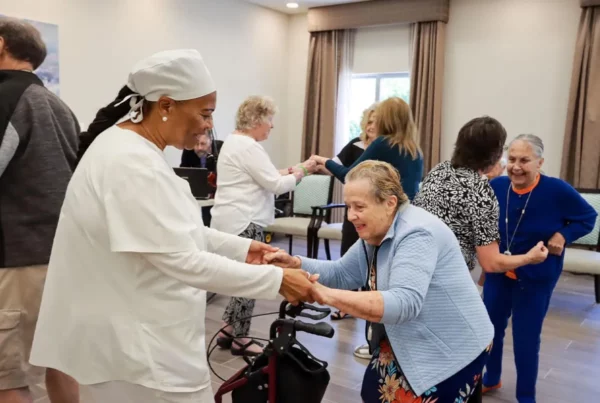
Daily life in assisted living includes opportunities for independence alongside support. Residents choose their routines, meals, and activities while knowing help is always nearby. This balance reduces stress and fosters confidence.
An effective assisted living environment feels less like a facility and more like a neighborhood familiar, supportive, and welcoming.
11. Assisted Living Activities for Residents
Assisted living activities for residents support physical, mental, and social health. Activities range from fitness programs for seniors in assisted living to art and craft classes for seniors, game nights in retirement communities, and movie nights in assisted living facilities.
Outdoor activities for elderly residents, gardening activities for elderly residents, and pet therapy in assisted living facilities encourage movement and connection. These experiences reduce isolation and promote joy.
Engaging senior loved ones through meaningful activities reinforces purpose and belonging, key components of quality senior care.
12. Wellness Programs for Older Adults
Wellness programs for older adults integrate physical fitness, nutrition, and emotional health. These programs often include exercise classes, health screenings, and stress management initiatives.
Dining options in assisted living support balanced nutrition while accommodating dietary needs. Wellness programs aim to maintain strength, mobility, and cognitive function.
Consistent participation in wellness programs improves quality of life and reduces health risks over time.
13. Music Therapy, Social Clubs, and Engagement
Music therapy for seniors enhances mood, memory, and emotional expression. Social clubs for seniors encourage connection through shared interests and group activities.
Volunteer opportunities for seniors provide purpose and community involvement. Engagement initiatives transform assisted living from care-focused to life-enriching.
Social interaction is the heartbeat of assisted living communities.
14. Amenities in Retirement Communities
Amenities in retirement communities influence comfort and satisfaction. Common amenities include fitness centers, libraries, dining venues, transportation services, and technology classes for older adults.
Amenities support independence while enhancing lifestyle. They also provide opportunities for socialization and personal growth.
The right amenities reflect residents’ interests and promote daily enjoyment.
15. Professional Assessments and Care Planning
Professional assessments guide care decisions. These evaluations examine physical health, cognitive function, and daily living abilities.
Assessment tools for senior care planning ensure accuracy and fairness. Results inform customized senior care plans tailored to individual needs.
Professional assessments provide clarity and direction for families navigating assisted living decisions.
16. Customized Senior Care Plans
Customized senior care plans reflect individual preferences, medical history, and lifestyle goals. Individualized care strategies for seniors ensure relevance and respect.
Tailored health plans in assisted living evolve as needs change. Adjusting care plans for changing needs prevents gaps in support.
Personalization transforms care from reactive to proactive.
17. Collaborative Care Planning with Families
Collaborative care planning in senior living involves residents, families, and care teams. Family involvement in care plan development builds trust and alignment.
Effective communication in care planning ensures transparency and shared understanding. Families remain informed and engaged.
Collaboration strengthens outcomes and emotional reassurance.
18. Family Caregiver Support and Resources
Family caregiver support reduces stress and burnout. Resources for family caregivers include education, support groups for seniors and caregivers, and respite options.
Emotional support for family caregivers acknowledges the challenges of balancing caregiving and family life.
Strong support networks sustain both caregivers and seniors.
19. Supporting Aging Parents Through Transitions
Supporting aging parents during transitions requires empathy and patience. Preparing for assisted living involves honest conversations and gradual adjustments.
Family meetings for senior care clarify roles and expectations. This process reduces anxiety and conflict.
Transitions succeed when families move together with understanding.
20. Questions to Ask Assisted Living Facilities Hallandale
Questions to ask assisted living facilities Hallandale should address care options, staffing, safety, and costs. Asking the right questions reveals transparency and quality.
Families should inquire about provider qualifications Hallandale care services and caregiver training standards.
Informed questions lead to confident decisions.

21. Licensing Requirements for Assisted Living in Florida
Licensing requirements for assisted living in Florida ensure compliance with safety and care standards. Facilities must meet Florida assisted living facility laws.
Florida assisted living license application process includes inspections and documentation. Licensing renewal for assisted living in Florida maintains accountability.
Understanding licensing builds trust.
22. Assisted Living Regulations and Resident Rights
Assisted living regulations protect resident rights Florida. Regulations cover care standards, privacy, and grievance procedures.
Background checks for assisted living staff Florida ensure safety. Violations in Florida assisted living facilities are monitored and addressed.
Regulations safeguard dignity and quality.
23. Health and Safety Standards in Hallandale
Health and safety standards for Hallandale seniors emphasize infection control, emergency preparedness, and secure environments.
Hallandale regulatory compliance assisted living ensures consistency and accountability.
Safety supports peace of mind.
24. Cost Breakdown of Assisted Living Services
Cost breakdown of assisted living services includes housing, care, meals, and amenities. Pricing models for senior care Hallandale vary by care level.
Understanding costs helps families plan responsibly.
Transparency prevents surprises.
25. Financial Assistance for Assisted Living Florida
Financial assistance for assisted living Florida includes Medicaid eligibility for assisted living in Florida, veterans benefits for assisted living, and state assistance programs for seniors in Florida.
Scholarships or grants for assisted living may also be available. Long-term care insurance and assisted living benefits can offset costs.
Financial planning expands access.
26. Medicaid, Medicare, and Veterans Benefits
Medicare coverage for assisted living is limited, but Medicaid and veterans benefits for assisted living provide meaningful support.
Understanding eligibility requirements clarifies options.
Benefits ease financial strain.

27. Hidden Costs and Financial Planning
Hidden costs of assisted living facilities include additional care services and special programs. How to budget for assisted living expenses requires careful review.
Financial considerations for assisted living decisions protect long-term stability.
Planning ensures sustainability.
28. Quality Metrics and Facility Inspections
Assisted living quality metrics Hallandale include inspections, caregiver testimonials Hallandale, and hallandale senior living facility inspections.
Quality of senior care in Hallandale depends on oversight and transparency.
Metrics guide informed choices.
29. Choosing the Best Assisted Living Facilities in Hallandale
Choosing the best assisted living facilities in Hallandale involves balancing care quality, environment, and trust.
Hallandale elderly care standards and local Hallandale care facility certifications offer guidance.
The right choice feels secure.
30. Preparing Your Family for Assisted Living
Preparing for assisted living includes family discussions, emotional readiness, and logistical planning.
Family involvement assisted living vs nursing homes differs, with assisted living encouraging collaboration.
Preparation fosters confidence and calm.
Conclusion
Choosing assisted living in Hallandale FL is a decision shaped by care needs, trust, and long-term vision. By understanding options, regulations, costs, and family dynamics, families can select a community that supports dignity, safety, and connection. The right assisted living environment protects independence while offering reassurance for everyone involved.
Read More: Click Here
Frequently Asked Questions
What services are typically included in assisted living in Hallandale FL?
Personal care, meals, activities, housekeeping, and wellness monitoring are commonly included.
How do I know when assisted living is needed?
Warning signs include safety concerns, health decline, and difficulty managing daily tasks.
Is assisted living covered by Medicare or Medicaid?
Medicare has limited coverage, while Medicaid eligibility and veterans benefits may provide assistance.
What questions should families ask assisted living facilities in Hallandale?
Ask about care options, staffing, costs, licensing, and safety standards.
How can families stay involved after moving to assisted living?
Through care planning, regular communication, and participation in family meetings.